One people.
Every corner
of the earth.

From the banks of the Niger to the streets of New York, from Kingston to Cape Town, from São Paulo to London — 1.4 billion people of African descent share a common heritage and a common future. The WBC exists to connect, celebrate, and empower every one of them.

All Regions Africa Americas Caribbean Europe Asia-Pacific
Global Black Diaspora
Africa S. America N. America Caribbean Europe M. East Asia-Pac Australia Population circles proportional to Black diaspora presence
"

We did not choose to be scattered across the earth. But we can choose what we do with that scattering — and we choose solidarity, renaissance, and return.

WBC Founding Manifesto  ·  Ladi Ayodeji, 2026
1.4B+
People of African descent worldwide
54
African nations
46M+
Black Americans in the USA
120M+
Afro-Brazilians in Brazil
$3T
Collective economic power

Regional chapters
The diaspora by region
The WBC will establish formally recognised chapters on every continent. Each chapter will have its own elected leadership, local programmes, and direct representation in the global assembly — preserving local identity while binding together in shared purpose.
Africa
🌍
Africa
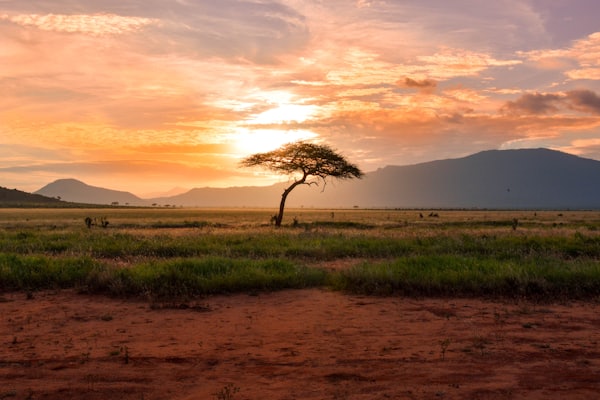
1.2 billion people · 54 nations

The ancestral homeland and the beating heart of the movement. Africa is not just the origin of the diaspora — it is its present and future. The WBC's Africa chapter will coordinate with the African Union, national governments, and community organisations across West, East, Central, North, and Southern Africa.

West AfricaEast AfricaSouthern AfricaCentral AfricaNorth Africa
Chapter forming Explore ›
Americas
🌎
North America
46M+ in USA · 4M+ in Canada

Home to the largest and most economically powerful Black diaspora outside Africa. Black Americans have driven cultural, political, and artistic movements that shaped the entire world — from the Harlem Renaissance to the Civil Rights Movement. The North America chapter will be a critical pillar of WBC's economic and political agenda.
United StatesCanadaHBCU Network
Forming Explore ›
Brazil
🌎
Latin America
120M+ Afro-Brazilians · 10M+ across LatAm

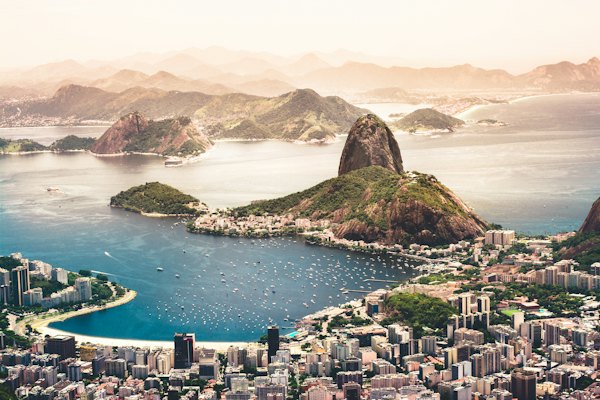
Brazil is home to the largest African-descended population outside Africa — yet Afro-Latin communities remain among the most marginalised in the hemisphere. The WBC's Latin America chapter will amplify voices that have long been pushed to the margins of the region's political and cultural life.

BrazilColombiaVenezuelaEcuador
Proposed Explore ›
Caribbean
🌊
The Caribbean
30M+ across island nations

The Caribbean has produced some of the most transformative voices in Black intellectual and political history — from Marcus Garvey to CLR James to Frantz Fanon. Caribbean nations led early Pan-African movements and will be foundational partners in the WBC's institutional architecture, bringing centuries of experience in Black self-governance.
JamaicaTrinidadHaitiBarbadosCARICOM
Forming Explore ›
Europe
🌍
Europe
10M+ across the continent

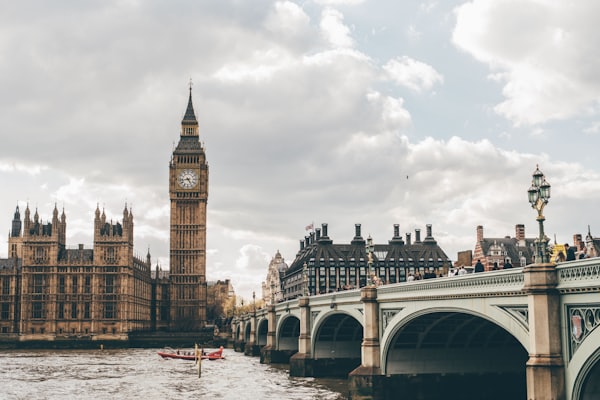
Black Europeans — from Afro-British communities in London to Afro-French communities in Paris, Afro-Germans, and communities across the Netherlands, Belgium, Portugal, and beyond — navigate unique challenges at the intersection of race and European identity. The WBC's Europe chapter will give these communities a unified platform and political voice.
United KingdomFranceGermanyNetherlandsPortugal
Forming Explore ›
Asia Pacific
🌏
Asia-Pacific & Middle East
Significant communities across Gulf, India, Australia

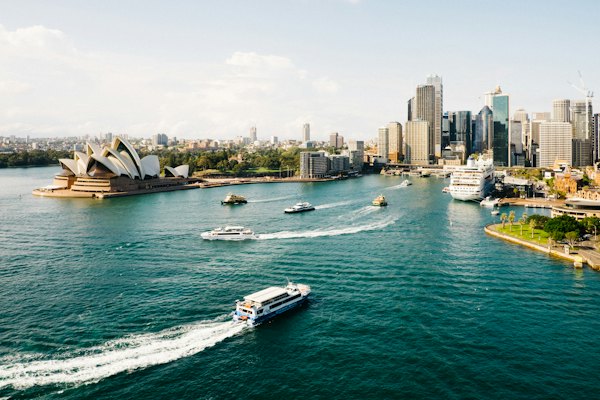
Often overlooked in Pan-African discourse, Black and African communities across the Gulf states, South Asia, Southeast Asia, and the Pacific face distinct challenges around legal status, labour rights, and cultural recognition. The WBC is committed to ensuring no part of the diaspora is left behind in the movement's agenda.

Gulf StatesIndiaAustraliaNew Zealand
Proposed Explore ›

A shared history
How the diaspora came to be
The African diaspora was not born of choice — it was forged through one of history's most violent ruptures. Understanding that history is the first step toward healing it.

The WBC honours this history without being imprisoned by it. We remember the wound in order to understand the stakes — and we channel that memory into building something no force on earth has managed to destroy: our unity.

Ancient – 1400s
The great African civilisations
Egypt, Nubia, Mali, Songhai, Great Zimbabwe — African peoples built empires, universities, trade networks, and scientific traditions that rivalled anything in the ancient world.
1500s – 1800s
The Transatlantic Slave Trade
An estimated 12–15 million Africans were forcibly transported to the Americas and Caribbean. This violent rupture created the modern African diaspora — scattered, traumatised, but never broken.
1800s – 1960s
Colonial era & resistance
While Africa was carved up by European powers, a generation of Black thinkers — Du Bois, Garvey, Nkrumah, Césaire — began laying the intellectual foundations for Pan-Africanism and independence.
1960s – 2000s
Independence, civil rights & rebirth
African nations won independence; Black Americans won civil rights; Caribbean nations asserted sovereignty. A generation of victories — but structural inequality persisted, demanding new responses.
2026 onwards
The World Black Congress era
A new chapter begins — one of deliberate, coordinated unity. The WBC is the institutional response to centuries of fragmentation, building a permanent home for the global Black family.

Diaspora questions
Common questions about the diaspora chapter
Questions about who the WBC represents, how it balances diverse interests, and what being part of the diaspora community means in practice.
Does the WBC represent Africans on the continent as well as the diaspora?
Yes — absolutely. The WBC does not draw a line between continental Africans and the diaspora. Africa is the heart of the movement, and the African continent will always be the largest and most central chapter. The WBC's vision is one of reconnection — drawing the diaspora back into relationship with the continent, and drawing the continent into genuine partnership with the diaspora. Every African nation and community has a home in the WBC.
How does the WBC handle disagreements between different diaspora communities?
The WBC's federal model is specifically designed for this. Regional chapters operate autonomously on issues specific to their context — a Caribbean chapter and an African chapter may have very different priorities, and that is healthy and expected. The global body coordinates on shared objectives where alignment exists — narrative, economics, political voice — without trying to impose uniformity on everything. Disagreement is welcomed; it means people are genuinely engaged.
What does it mean to be a member of the WBC diaspora community?
Membership is open to all people of African descent who share the WBC's founding values. Being a member means contributing to and benefiting from the WBC's programmes — educational resources, economic networks, leadership development, and political advocacy. It also means having a vote in your regional chapter's leadership elections, and through those elections, a voice in the direction of the global body. Membership is deliberately made accessible — the WBC belongs to the community, not to the elite.
Find your chapter
Wherever you are,
you belong here.

The World Black Congress is being built in every city, every country, every community where people of African descent live and thrive. Find your regional chapter, connect with local organisers, and help shape the institution that speaks for all of us.

Read the Full Proposal